

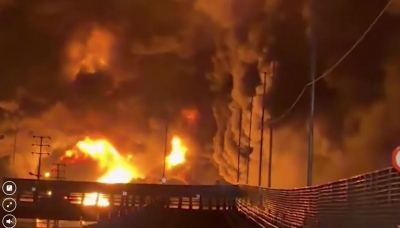
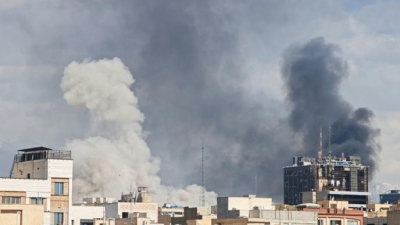
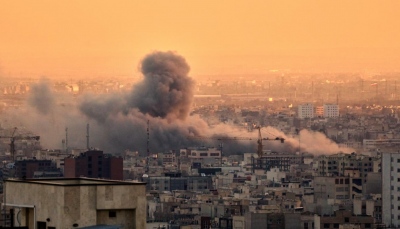
The Revolutionary Guards carried out an attack on the refinery of Haifa in Israel, in retaliation for the strike recently carried out against the refinery of Tehran, as reported by Tasnim.
Energy infrastructure is becoming the target in this crisis in the Middle East, a development expected to cause a shock in oil supply and destruction of demand.
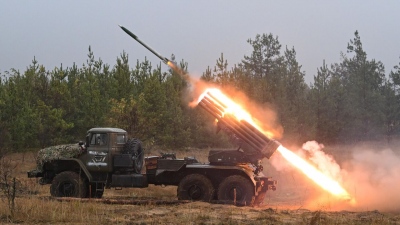
According to the agency, the strikes were carried out with Kheibar Shekan missiles, while a few minutes earlier the “enemy” had attacked various sections of the refinery of Tehran, causing damage.
This move underscores the ongoing escalation between Iran, Israel and United States allies in the Middle East.
Iran announced the 27th phase of Operation True Promise 4, targeting Israel and United States military installations in the Middle East, as broadcast by Iranian state television.
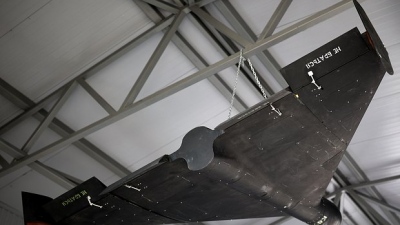
The announcement states that Iranian forces used missiles and unmanned vehicles (drones) in the attacks, strengthening their ability to strike military targets and infrastructure of opponents in the region.
Goldman Sachs sees surge in geopolitical risk - Above $100 per barrel
As Iran targets energy infrastructure, oil prices face increasing geopolitical upside risks as disruptions around the Strait of Hormuz threaten to cause a global supply shock larger than previously expected, according to an analysis by Goldman Sachs.
According to the market analysis, the premium for a complete six week halt of tanker transit through the Strait of Hormuz would reach $18 per barrel for Brent oil.
The commodity research team of the investment bank stated that its baseline estimate had projected Brent futures trading at $80 in March and in the high $70 range in the second quarter, but recent developments in the Persian Gulf increase the probability that prices may move even higher.
“We now also believe it is possible that oil prices, especially for refined products, will exceed the peaks of 2008 and 2022 if flows through the Strait of Hormuz remain reduced throughout March,” commodity analysts wrote in a note to clients on Friday (6/3).
Strategists identify several reasons “why the major upside risks to our baseline oil price estimate are increasing rapidly”.
As a result, Goldman Sachs stated it may revise its forecasts if transport flows through the Strait of Hormuz do not normalize soon.
Oil flows through this critical transport corridor have already declined significantly.
The blockage in the energy supply chain
Goldman Sachs estimates that flows of energy commodities through the Strait of Hormuz have declined by about 1.8 million barrels per day, about 10% below normal levels and far below the bank’s previous estimate of only a 15% reduction.
Alternative routes are very difficult to cover the gap and the turmoil in the supply chain.
Goldman Sachs stated that the net redirection through pipelines and ports such as Yanbu in Saudi Arabia and Fujairah in the United Arab Emirates has averaged only 0.9 million barrels per day in recent days, compared with the theoretical capacity of about 3.6 million barrels.
Strikes at the port of Fujairah and local shortages of shipping fuel have also complicated efforts to redirect shipments away from the Persian Gulf, highlighting the vulnerability of the region’s export infrastructure.
Shipping conditions remain uncertain, with many tanker operators adopting a wait and see approach as security risks increase.
Insurance premiums surge and demand destruction
Goldman Sachs stated that the cost of cargo insurance alone does not fully explain the reduction in shipments, noting that some insurers are still offering coverage and that freight rates have increased enough to offset the higher premiums.
The bank also warned that the scale of the current supply shock could force prices to rise enough to limit demand.
Goldman Sachs estimates that the loss of approximately 1.7 million barrels per day from Persian Gulf supply represents a shock far greater than the disruption in Russia’s production observed in early 2022.
Such a decline could rapidly reduce global inventories and push prices to levels that would trigger demand destruction, particularly if stockpiling by consumers accelerates or if exports of refined products from non OECD countries decrease.
A meaningful recovery in oil flows, according to Goldman Sachs, would likely require either broader de escalation of the conflict, stronger military protection of tankers by the United States, or a decision by Iran to allow safe passage through the Strait of Hormuz.
Until then, the risks for oil prices remain strongly upward and the geopolitical premium may surge.
www.bankingnews.gr







Σχόλια αναγνωστών